If you're planning a hay shed build in Lake Country or the surrounding Central Okanagan, you're situated between Kelowna and Vernon with lake-moderated temperatures but still facing Okanagan heat, snow, and wind that demand durable, well-built structures.
Farrow Built works with property owners across Lake Country, Kelowna, Vernon, Oyama, and Winfield to design and build structures that handle Central Okanagan conditions. Building permits in Lake Country are managed by the District of Lake Country. We handle all permitting for our builds.
Buildings We Construct in Lake Country
- Open-front hay sheds
- Enclosed hay storage buildings
- Round bale storage sheds
- Square bale storage buildings
- Feed storage structures
- Combination hay and equipment sheds
Popular Buildings for Lake Country Property Owners
Many Lake Country clients need hay shed builder services for:
- Round bale storage
- Square bale storage
- Feed protection from weather
- Reducing hay waste and spoilage
- Centralized feed management
30x40 and 40x60 are popular sizes for Lake Country properties.
Buildings Designed for Lake Country Weather
Lake Country sits between Kelowna and Vernon, surrounded by lakes. Properties benefit from a slightly moderated climate but still face snow loads, summer heat, and wind along lake corridors.
Our structures are designed to keep hay dry through wet winters and protect against wind-driven rain and snow — meeting all local building requirements and site-specific conditions.
Projects Near Lake Country
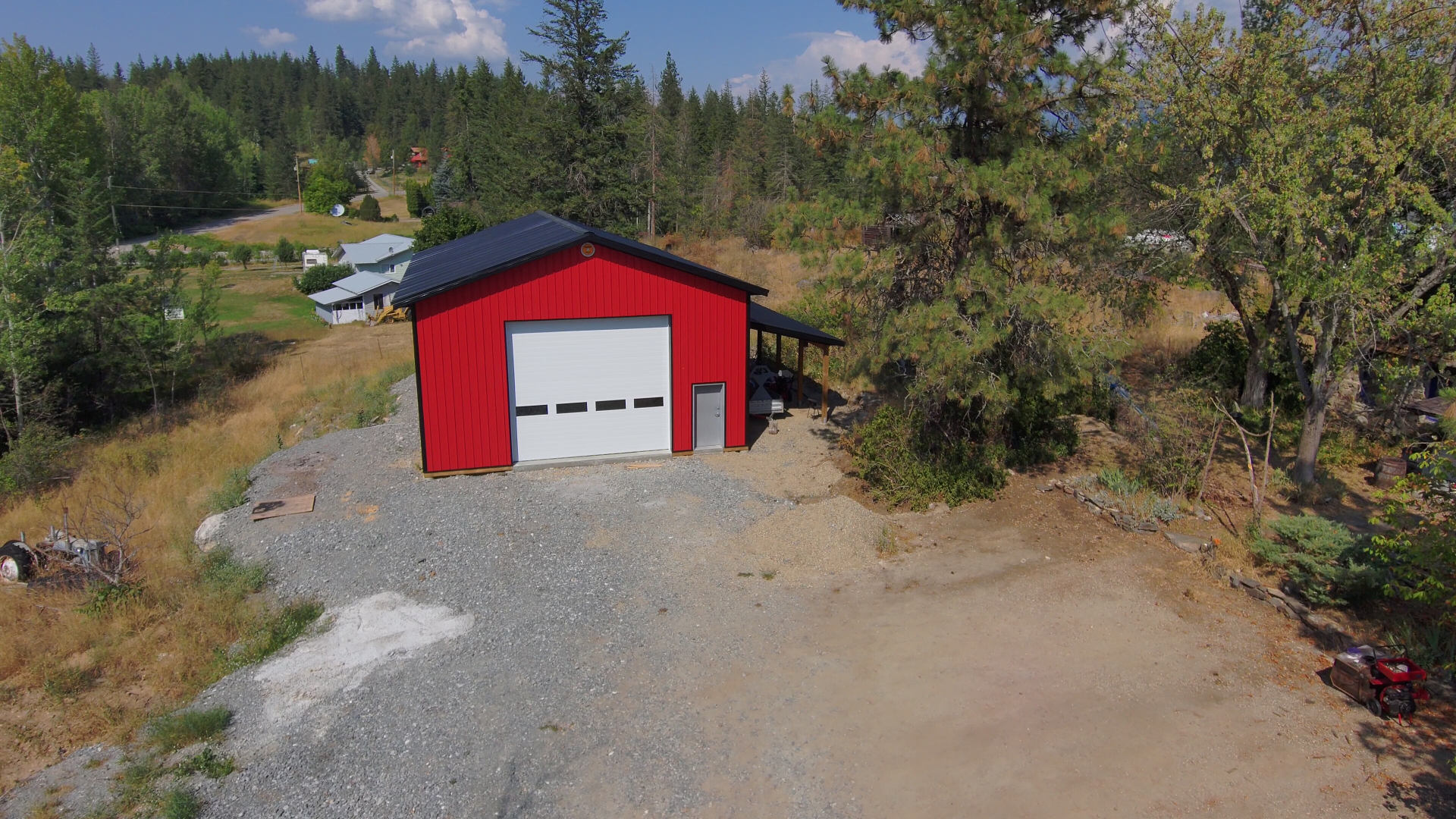
Acreage shop near Oyama
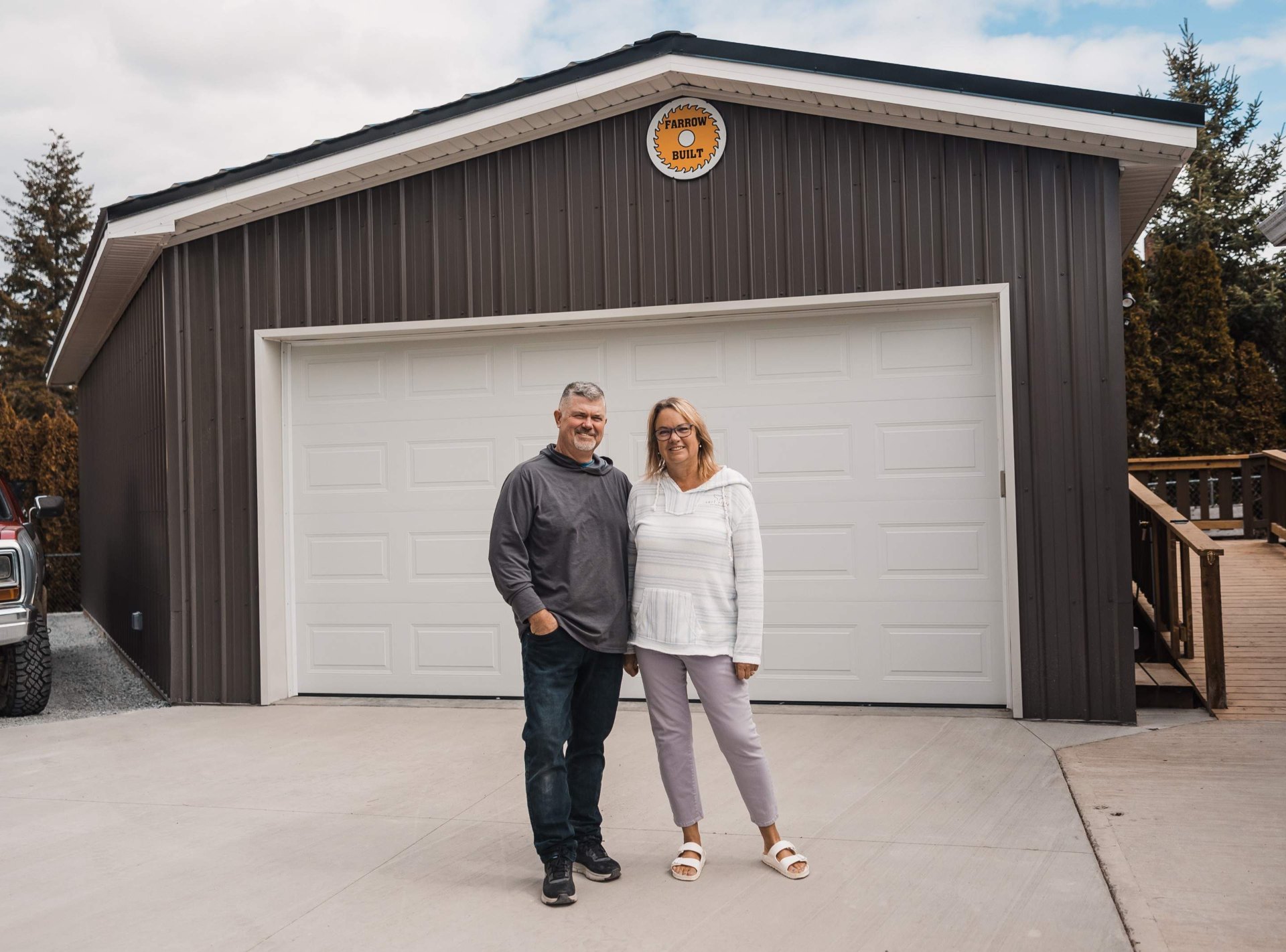
Post-frame garage in Lake Country
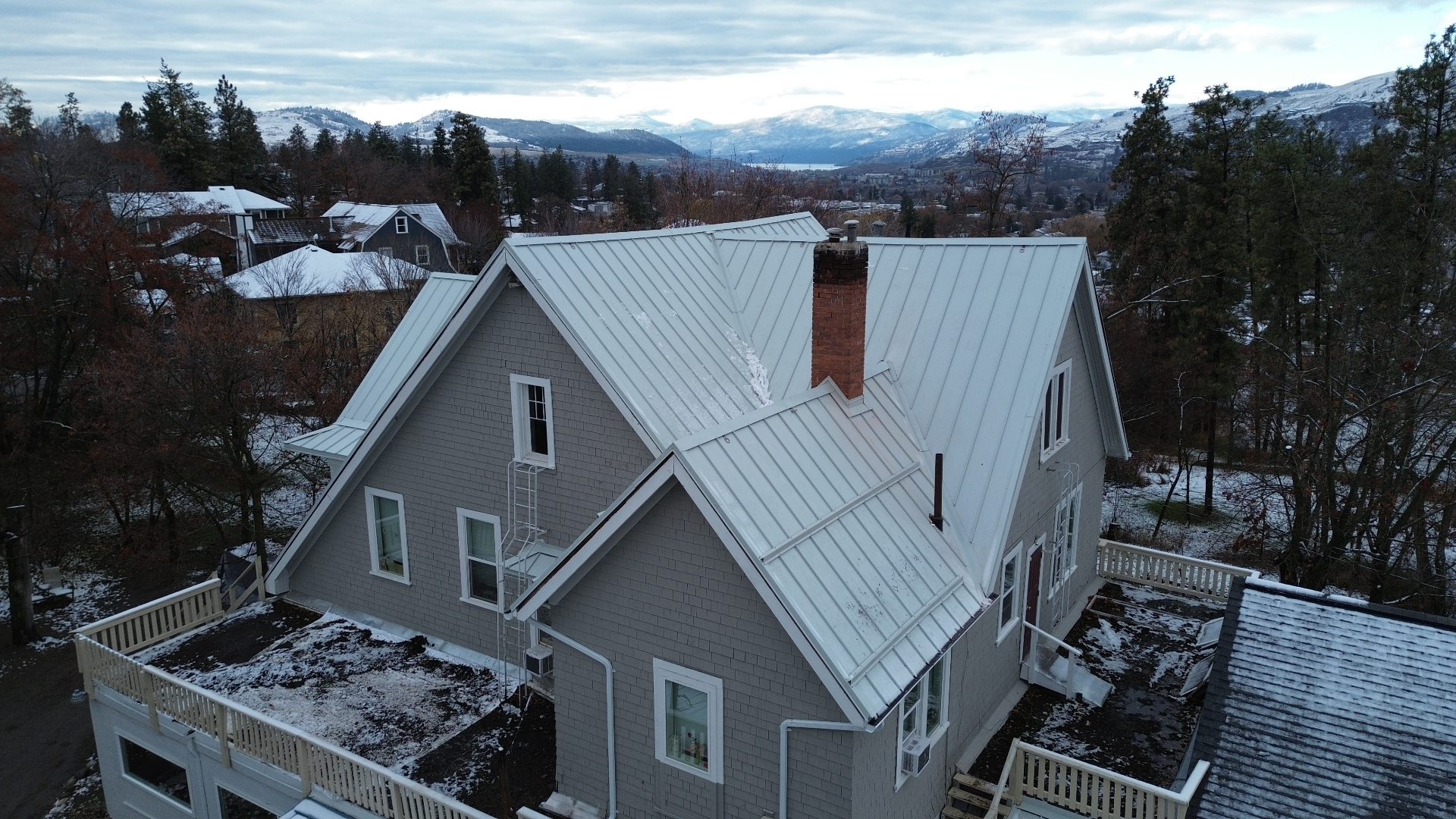
Roof replacement near Winfield
Areas We Serve Near Lake Country
Hay Shed Builder FAQs — Lake Country
Do you build hay sheds in Lake Country?
Yes. We build hay storage buildings for horse owners and small farms in Lake Country and the Central Okanagan.
What size hay shed do I need for a few horses?
A 20x30 or 24x40 hay shed is typically sufficient for a small horse property. We'll help you calculate based on your annual hay needs.
How does a hay shed pay for itself?
By eliminating spoilage from weather exposure, a hay shed typically pays for itself within 3–5 seasons in reduced waste.