
How Much Does Emergency Roof Leak Repair Cost in BC? (2026 Pricing Guide)
If your roof is leaking, one of the first questions you're probably asking is: How much is this going to cost me?
The answer depends on the severity of the problem, how difficult it is to locate and repair, and how much damage has already occurred.
Based on our experience repairing roofs throughout British Columbia, emergency roof leak repairs typically start around $800–$900, with many repairs costing between $1,000 and $5,000. Major repairs can exceed $10,000.
But here's something I've learned from years of working on roofs: the amount of water you see coming into your home doesn't necessarily tell you how expensive the problem will be.
Sometimes a small, inexpensive component is responsible for thousands of dollars in damage.
And sometimes the biggest expense isn't fixing the roof. It's repairing everything the water has damaged underneath it.
Let's break down what emergency roof repairs actually cost, what affects the price, and how you can avoid spending thousands of dollars unnecessarily.
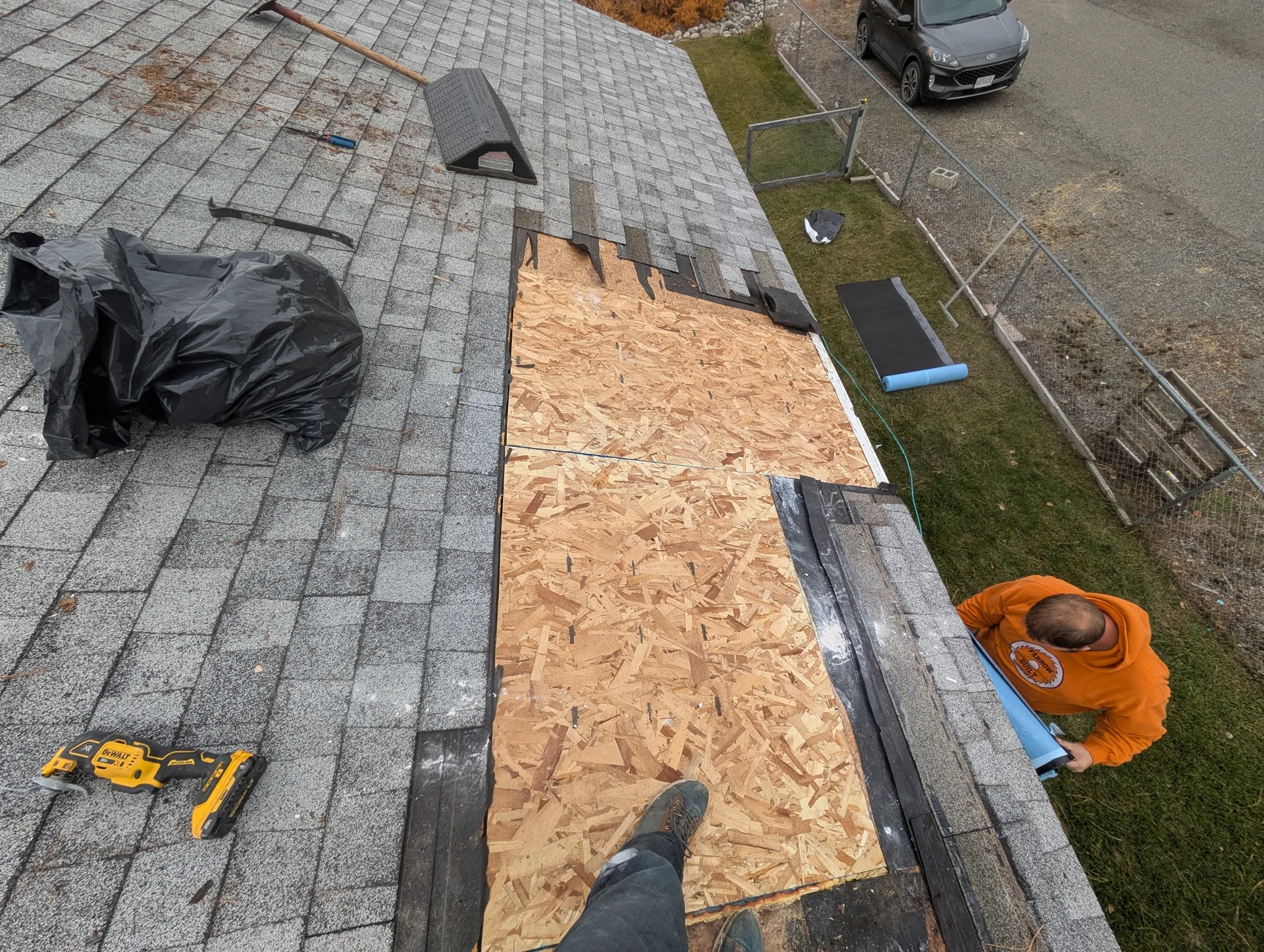
How Much Does Emergency Roof Leak Repair Cost?
Here are the approximate price ranges we see at Farrow Built.
| Type of repair | Typical cost (CAD) |
|---|---|
| Minor roof leak repair | $800–$1,000 |
| Moderate roof leak repair | $1,000–$5,000 |
| Major roof leak repair | $5,000–$10,000+ |
| Leaking pipe boot replacement | $1,500–$2,000 |
| Cracked roof vent replacement | Around $2,000 in a recent project |
These are approximate figures based on our experience, not guaranteed quotes. The actual price depends on the roof, the damage, the access conditions, and the work required. Emergency scheduling or temporary protection may also affect the final cost.
Minor roof leaks: $800–$1,000
Even a relatively straightforward roof leak repair usually costs at least $800–$900.
You might have a damaged flashing, a small penetration issue, or a localized area where water is getting through.
Although the repair itself might not require many materials, someone still needs to travel to the property, safely access the roof, locate the problem, and perform a repair that will hold up to the weather.
One thing homeowners sometimes underestimate is that identifying the source of the leak can take longer than the actual repair.
Moderate roof leaks: $1,000–$5,000
This is where many of the repairs we encounter fall.
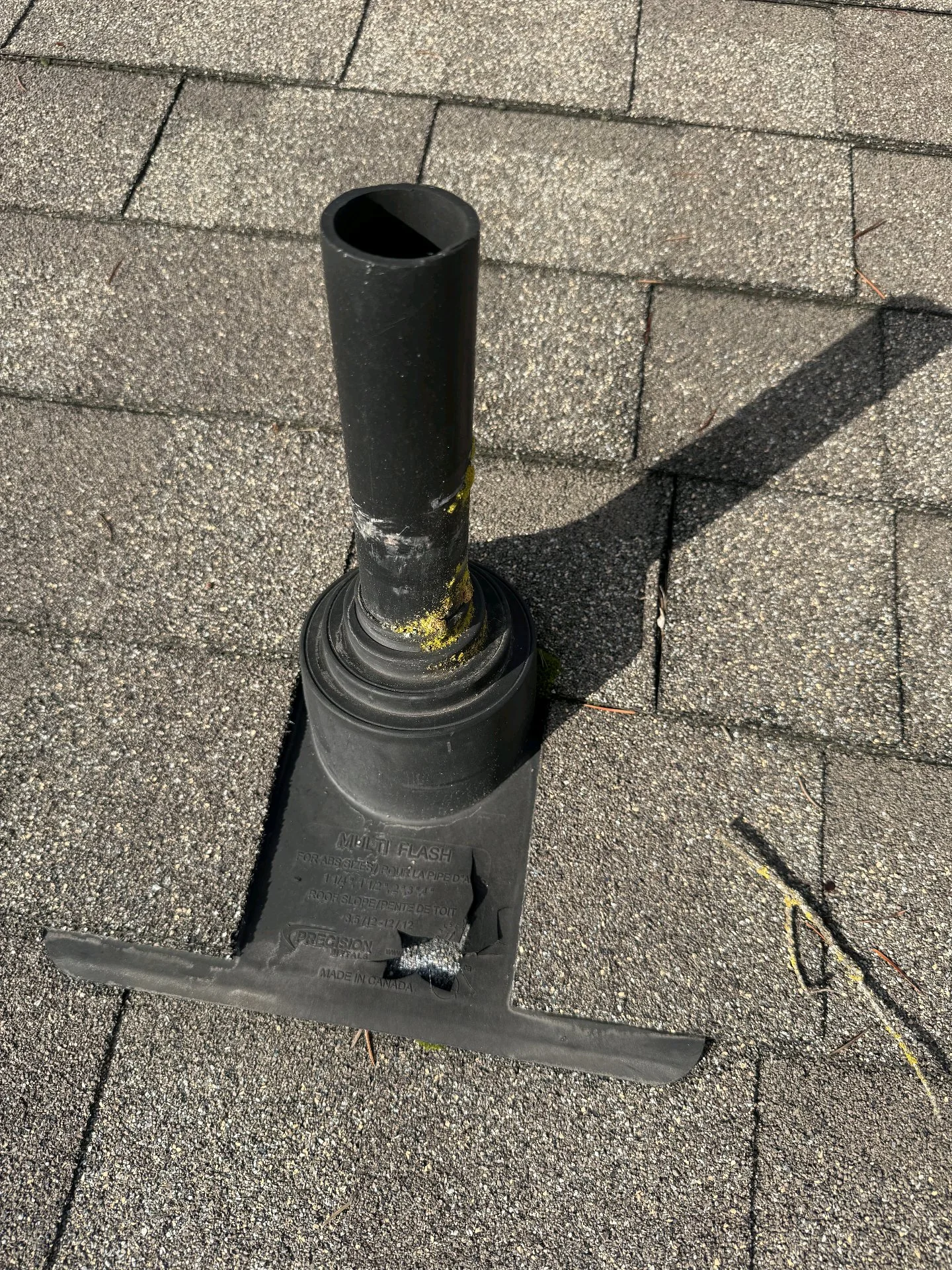
Examples include leaking pipe boots, damaged roof vents, flashing failures, or areas where roofing materials need to be removed and replaced to properly address the problem.
A leaking pipe boot, for example, will commonly cost around $1,500–$2,000 to replace based on our experience.
The cost can increase when the leak is difficult to locate, the roof is steep, or surrounding materials have deteriorated.
Major roof leaks: $5,000–$10,000+
Major roof repairs can easily exceed $10,000.
At this point, the issue may involve extensive water damage, deteriorated roof decking, multiple problem areas, or substantial repairs to the roofing system.
And remember, the cost of repairing the roof itself may not include repairing damaged insulation, ceilings, drywall, or other interior components.
That's why catching a roof problem early is so important.
What Factors Affect the Cost of Roof Leak Repair?
There are seven major factors we consider when assessing a leaking roof.
1. How much damage has already occurred
This is one of the biggest factors.
A leak caught early might require replacing a damaged component and addressing a small area of roofing.
That same leak, left unattended, could eventually cause deterioration of the plywood, insulation, framing, or interior finishes.
Water damage can also create conditions that support mould growth.
The longer moisture is allowed to enter a building, the greater the potential for expensive repairs.
2. Where the leak is located
Not all roof leaks are equally accessible.
A leak near the edge of a low roof might be relatively straightforward to investigate.
A leak around a chimney, in a complicated roof valley, or near several roof penetrations can be significantly more challenging.
The location affects both the difficulty of the repair and the amount of work required.
3. How steep the roof is
Roof pitch makes a major difference.
Steeper roofs generally require more involved safety precautions, specialized equipment, and additional time.
Those requirements can increase the cost of even a relatively small repair.
4. How difficult the roof is to access
A single-storey home with good access is very different from a tall building with landscaping, decks, or other obstacles around it.
Limited access can make getting workers, equipment, and materials into position more expensive.
5. What type of roofing material you have
Asphalt shingles, exposed-fastener metal roofing, standing-seam metal roofing, and other roofing systems all require different repair methods.
Some materials are easier to remove and replace locally than others.
The availability of compatible replacement materials also matters, particularly on older roofs.
6. The age of the roof and home
Older roofs can present additional challenges.
Materials may be brittle, deteriorated, or difficult to match. Older homes may also have underlying construction details that complicate repairs.
Sometimes what initially appears to be a localized leak reveals a larger issue with the roofing system.
7. How difficult it is to find the actual leak
This is something I think homeowners should understand.
Where water shows up inside your home isn't necessarily where it's entering through the roof.
Water can travel along framing, roof decking, insulation, and other building components before it becomes visible.
If we can immediately identify the source, the repair may be relatively straightforward.
If we need to investigate several possible entry points, inspect the attic, or trace the path of water through the building, the cost can increase.
And that brings me to a real example.
Real Example: A $2,000 Roof Vent Repair That Revealed Mould in the Attic
We recently repaired a roof where the homeowner had a leak that eventually started showing up through their bathroom fan.
You might assume the bathroom fan itself was leaking.
But that wasn't the problem at all.
When we investigated, we discovered that a roof vent had cracked.
Water had been entering through that cracked vent, likely for quite some time.
It was getting into the attic, travelling through the blown-in insulation, and eventually making its way to the bathroom fan opening, where it became visible inside the house.
By the time the homeowner noticed the problem, there was already mould present in the attic.
The roof vent repair involved installing a solar-powered roof vent, at a cost of approximately $2,000.
We ultimately installed five solar fans on that roof as part of the broader work.
The important lesson isn't the number of fans we installed.
It's that a cracked roof vent, a relatively small component of the roofing system, had allowed water to enter the attic long enough for additional problems to develop.
The homeowner didn't see the water where it first entered.
They saw it where it finally made its way into the living space.
That's exactly why we recommend inspecting roofs before there are visible signs of leaking.
Another Example: When a Chimney Leak Wasn't Actually a Roofing Problem
We also had a customer experience a leak around their chimney after we'd completed flashing work.
It happened in the middle of the night, during terrible weather.
We sent someone out to investigate because we take water entering a customer's building seriously.
After examining the situation, we discovered that the problem wasn't the new flashing.
Water was actually entering through the chimney masonry itself, near the top of the brickwork.
We performed temporary work to help stop the water, and a mason subsequently handled the permanent brickwork repair.
This is a good example of why proper diagnosis matters.
If someone had simply assumed the flashing was defective and replaced it again, they might have spent money without fixing the actual problem.
The goal isn't just to stop the visible drip. It's to identify where the water is entering and correct the underlying issue.
What Should You Do If Your Roof Starts Leaking?
If water is coming through your ceiling during a rainstorm, my recommendation is simple:
Call a qualified roofing contractor immediately and arrange an assessment as soon as possible.
Don't assume it's something that can wait until next month just because you're only seeing a few drops of water.
While you're waiting for help, there are several practical steps you can take:
- Contain the water. Place buckets or containers beneath the leak and protect furniture, flooring, and other belongings.
- Watch for electrical hazards. If water is near light fixtures, outlets, or electrical equipment, keep clear and contact a qualified professional. Have power isolated safely if necessary.
- Document the damage. Take photographs or videos of the visible leak and affected areas.
- Contact your insurance provider if appropriate. Significant or sudden damage may warrant opening a claim. Coverage depends on the policy and cause of the loss.
- Stay off the roof in dangerous conditions. Wet roofing, high winds, ice, and steep slopes create serious fall hazards.
If you're particularly handy, you may be capable of dealing with certain minor issues yourself under safe conditions.
But I would strongly discourage homeowners from climbing onto a roof during a storm.
It's not worth risking your life to save the cost of a service call.
A roofing contractor may also need to wait for safe conditions before performing work at height. In the meantime, they can advise on appropriate steps to limit further damage.
Is a Small Roof Leak Really an Emergency?
Here's something I tell people:
If you can already tell that your roof is leaking, it's a major concern.
That doesn't mean every visible leak requires a $10,000 repair.
It means water has already made its way through a roofing system that's supposed to keep it out.
And you don't necessarily know how long that's been happening.
A little water dripping from your ceiling could be the first visible indication of a problem that's existed for months.
Think about our customer with the cracked roof vent.
By the time water was appearing through the bathroom fan, it had already travelled through the attic insulation, and mould was present.
That's why I don't like hearing people say, "Oh, it's just a small leak."
A small drip is not proof of a small problem.
The sooner you identify the source and repair it, the better your chances of limiting further damage.
Can You Prevent Emergency Roof Leaks?
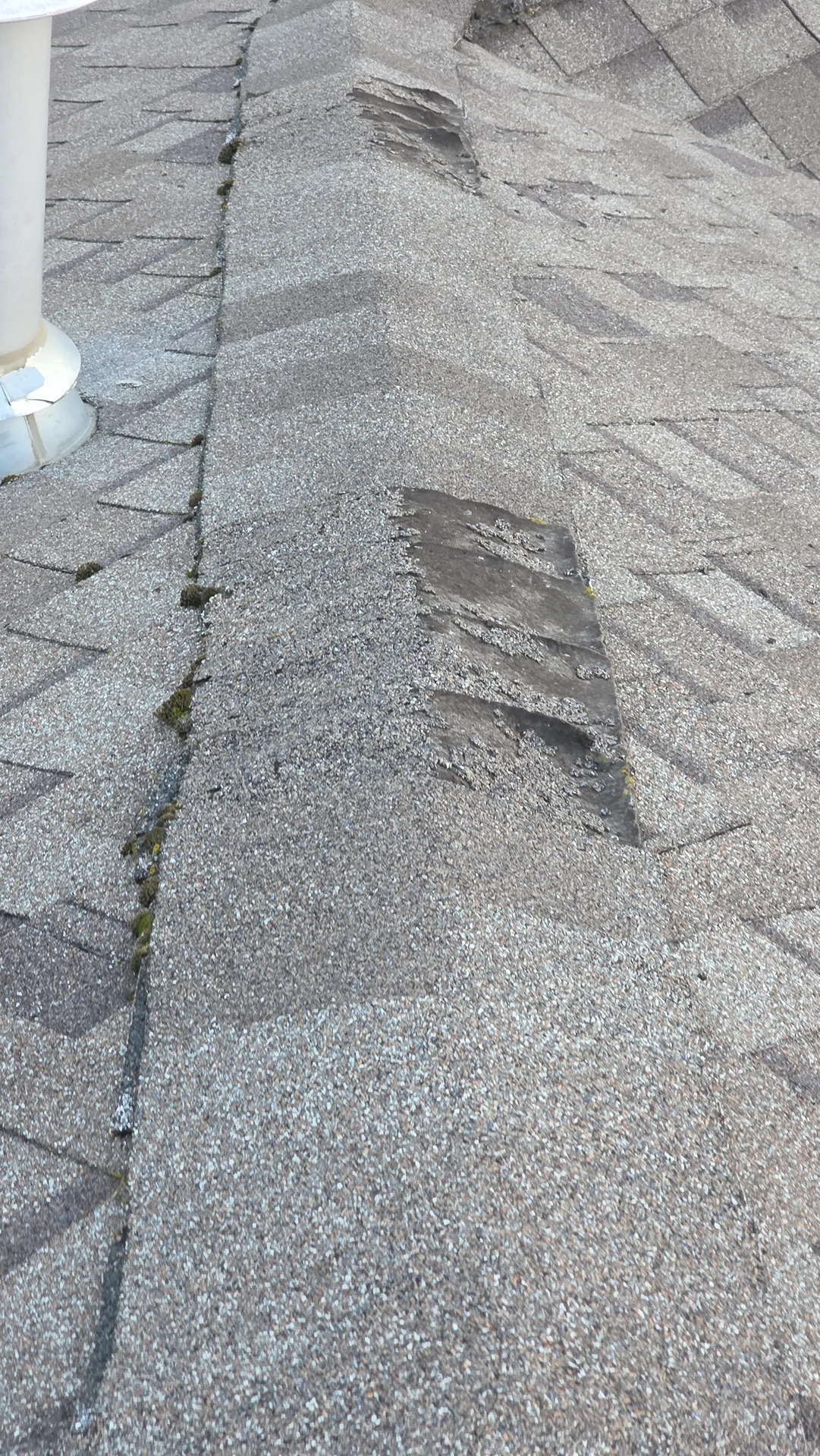
You can't prevent every roof leak. Severe weather, unexpected damage, and material failures can happen.
But I believe many emergency roof repairs could be avoided with proper inspections and preventative maintenance.
At Farrow Built, we prefer finding problems before homeowners notice water coming into their buildings.
That's the purpose of our Level 1 Roof Assessment.
Instead of waiting for a leak, we inspect the roof and look for conditions that could allow water to enter.
Depending on the building and accessible areas, our assessments include checking roof materials, flashing, penetrations, ventilation, and the attic for signs of moisture or deterioration.
We document what we find so the homeowner can understand the condition of their roof and decide what needs attention.
Why I recommend a pre-winter roof assessment
In British Columbia, I particularly like the idea of getting your roof inspected before winter.
Rain, snow, freezing temperatures, and changing weather conditions can expose weaknesses in a roofing system.
A cracked pipe boot, deteriorating flashing, or loose fastener might not be causing a noticeable leak today.
But that doesn't mean it won't cause one during the next stretch of bad weather.
Getting those problems identified and repaired ahead of time can save a lot of money.
And although pre-winter inspections are valuable, there's no reason to wait until fall.
Any time of year is a good time to assess your roof, especially if it hasn't been inspected recently.
Is It Cheaper to Repair a Roof Leak or Replace the Entire Roof?
In many situations, repairing a localized leak is more economical than replacing the entire roof.
But that isn't always the case.
If the roof is relatively young, the surrounding materials are in good condition, and the source of the leak is isolated, a targeted repair may be the sensible option.
On the other hand, if the roof is near the end of its useful life, has widespread deterioration, or has developed repeated leaks, continuing to pay for individual repairs may not be the best long-term investment.
This is where an honest assessment matters.
A homeowner shouldn't automatically be sold a new roof because one pipe boot is leaking.
But they also shouldn't be encouraged to keep spending money patching a roofing system that's failing throughout.
The right recommendation depends on the condition of the entire roof, not just the location of the current leak.
Frequently Asked Questions About Emergency Roof Leak Repair
How much does it cost to fix a leaking roof in BC?
Based on our experience at Farrow Built, repairs typically start around $800–$900. Moderate repairs commonly cost $1,000–$5,000, while major repairs can exceed $10,000. The final cost depends on the damage, roofing materials, roof access, and difficulty of locating the leak.
How much does it cost to replace a leaking pipe boot?
We commonly see leaking pipe boot replacements cost approximately $1,500–$2,000, depending on the roof and installation conditions.
Can a roof leak be repaired during the rain?
Sometimes temporary measures can be taken to limit water intrusion, but working on a wet roof can be extremely dangerous. The appropriate response depends on the weather, roof conditions, and whether workers can access the problem safely. Permanent repairs may need to wait for suitable conditions.
Does homeowners insurance cover emergency roof leak repairs?
It depends on the cause of the leak and your insurance policy. Sudden, insured events may be covered, while deterioration, neglected maintenance, or gradual damage may be excluded. Contact your insurer to confirm your coverage and any documentation requirements.
How quickly should I get a leaking roof repaired?
As soon as possible. If water is entering your home, contact a qualified roofing contractor immediately to arrange an assessment and determine the appropriate next steps.
Can a roof leak cause mould?
Yes. Persistent moisture can create conditions that support mould growth in attics, insulation, and other building materials. We've encountered this firsthand when investigating leaks that had gone unnoticed for extended periods.
Final Thoughts: The Cheapest Roof Leak Is the One You Prevent
After years of working on roofs, one of the biggest mistakes I see homeowners make is underestimating a leak because it looks small.
A $1,500 repair might seem expensive.
But when you consider the potential cost of damaged insulation, deteriorated plywood, mould remediation, ceiling repairs, and interior restoration, addressing the problem early can be a very good investment.
My advice is to stop thinking about roof maintenance only when something starts leaking.
Have your roof assessed regularly. Get it checked before winter. Fix small deficiencies before they allow water into your building.
And if your roof is already leaking, don't put it off.
Your roof protects everything underneath it. The longer water is allowed to enter, the more you potentially have to lose.
Need a Roof Leak Repair or Roof Assessment in British Columbia?
Farrow Built is based in Enderby, BC, and serves customers throughout British Columbia.
We provide roof leak investigations, roofing repairs, preventative maintenance, and Level 1 Roof Assessments to help property owners identify problems and protect their buildings.
Whether you're dealing with an active leak or want to know the condition of your roof before winter, our team can help you understand what needs attention.
Contact Farrow Built to arrange a roof assessment or discuss a roof leak repair.
Your Property. Our Responsibility.