
Are Metal Roofs Loud When It Rains? A BC Roofing Contractor Explains
If you're considering installing a metal roof on your house, there's a good chance you've wondered about one thing:
Are metal roofs loud when it rains?
It's one of the most common concerns people have when comparing metal roofing with traditional asphalt shingles.
They imagine sitting in their living room during a rainstorm, listening to thousands of raindrops hammering against a giant sheet of metal.
Or trying to sleep while rain pounds against the roof overhead.
But is that actually what happens?
After years of installing metal roofs on homes, shops, garages, barns, and other buildings throughout British Columbia, I can tell you that the reality is quite different.
In a properly insulated house, you generally won't notice a meaningful difference between rain hitting a metal roof and rain hitting asphalt shingles.
In fact, we've never had a customer complain about rain noise after installing a metal roof.
There are situations where metal roofing can be noticeably louder, but those usually involve uninsulated buildings or exposed roof assemblies.
Let's look at why.
Are Metal Roofs Louder Than Asphalt Shingles?
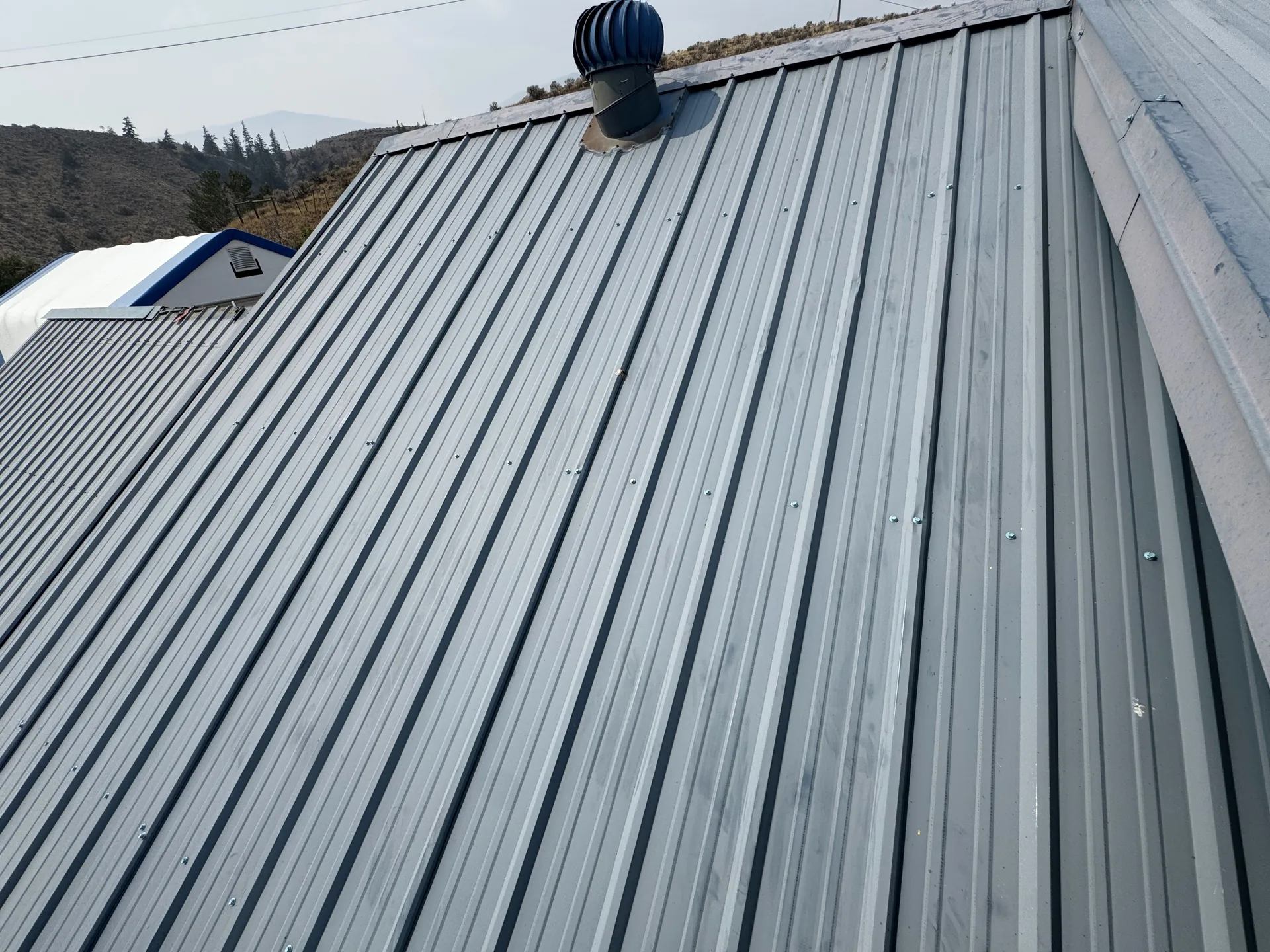
Technically, metal roofing can produce more impact noise when rain strikes the panels.
But there's an important difference between the sound produced at the roof surface and the sound you actually hear inside your house.
A residential roof isn't just a sheet of roofing material.
It's an entire assembly that typically includes roof decking, underlayment, framing, attic space, insulation, and a finished ceiling.
All those components influence how much sound reaches the living space below.
When rain hits a metal roof, some of the impact sound is transmitted into the roofing system.
But by the time that sound travels through the roof assembly and into your living space, it's generally much less noticeable.
That's why a properly constructed and insulated home with a metal roof doesn't sound like an old tin shed during a rainstorm.
My experience has been simple: in normal conditions, inside a properly insulated house with the windows closed, you won't notice the difference.
And that remains true even during heavy rainfall in the residential installations we've worked with.
Why Are Metal Roofs Sometimes So Loud?
If you've ever stood inside an old barn or an uninsulated metal building during a heavy rainstorm, you probably understand where the reputation comes from.
Rain hitting exposed metal panels can be quite noticeable.
That's because there may be very little between the metal roofing and the people inside the building.
For example, an agricultural building might have metal panels fastened directly to roof purlins, with no solid roof decking, insulation, or finished ceiling underneath.
In that situation, rain impacts can cause the metal panels to vibrate and produce sound that travels directly into the interior.
Compare that with a finished house where the roofing system is separated from the living space by multiple layers of building materials.
They're two completely different situations.
The problem isn't necessarily that the roof is metal.
It's that the building doesn't have the same sound-reducing roof and ceiling assembly as a typical house.
Does Roof Insulation Reduce Rain Noise?
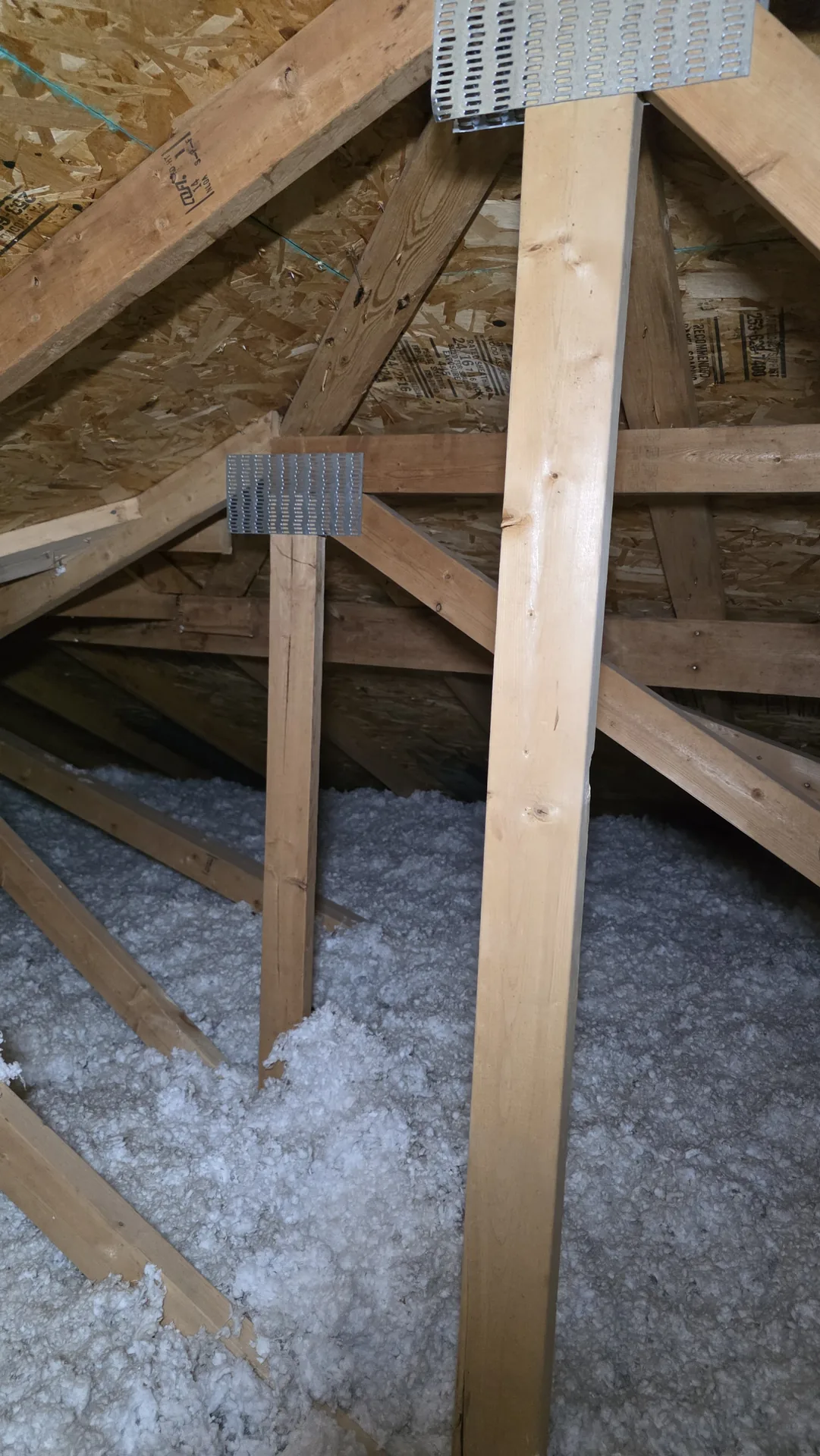
Yes. Insulation can play an important role in reducing the amount of rain noise that reaches the interior of a building.
However, it's not the only factor.
The roof decking, framing, ceiling materials, and overall construction of the building all contribute to how sound travels.
In a typical home with an insulated attic, the insulation and finished ceiling help reduce sound transmission from the roof.
That's one reason metal roofing on a house generally sounds much quieter than metal roofing on an uninsulated shop or barn.
What about solid roof decking?
Solid roof decking can also help reduce the sound of rain on metal roofing.
Plywood and OSB (oriented strand board) provide a continuous supporting surface beneath the roofing system.
Compared with metal panels spanning between widely spaced purlins, a properly designed assembly with solid sheathing can reduce panel vibration and change how impact sound travels through the roof.
That doesn't mean solid decking eliminates every sound.
But it can make a noticeable difference, particularly in buildings without insulated ceilings.
How We Reduce Metal Roof Noise in Horse Barns
One example from our work at Farrow Built is horse barns.
Unlike a typical house, a horse barn may have a relatively open interior with exposed roof framing and little or no ceiling insulation.
If metal roofing is installed directly over purlins, rain noise can be quite noticeable inside.
When noise reduction is important, we sometimes use a different roof assembly.
Instead of fastening the metal roofing directly over the strapping, we install the strapping, add plywood or OSB sheathing over it, and then install the metal roofing system above the solid sheathing.
The result is a more substantial roof assembly that helps reduce the noise from rain hitting the metal.
We use this approach on horse barns because we want to avoid unnecessary noise inside the building.
Of course, the sheathing, fastening, ventilation, and roofing system all need to be designed appropriately for the building.
It's a good example of why the details of a roof assembly matter.
The same metal roofing material can sound very different depending on what's underneath it.
Are Metal Roofs Loud During Heavy Rain or Thunderstorms?
This is usually the next question homeowners ask.
Light rain is one thing, but what happens during a serious BC rainstorm?
In our experience, even heavy rainfall doesn't create a noticeable noise problem inside a properly insulated house.
We've installed metal roofing on a variety of buildings, and we've never had a customer come back to us complaining that their new roof was too loud when it rained.
That's not to say every building will perform identically.
An uninsulated structure with exposed metal roofing will generally transmit more rain noise than a finished home.
And extremely heavy rain can be audible on many roofing systems.
But for a typical residential installation, rain noise simply isn't something I would be concerned about.
What about hail hitting a metal roof?
Hail is a little different from rain.
Hailstones are solid, and their impacts can produce sharper sounds when they strike metal roofing.
A significant hailstorm may be more audible than ordinary rainfall, particularly in buildings with exposed roof assemblies.
However, the amount of noise heard inside still depends heavily on the roof construction, insulation, ceiling assembly, and intensity of the storm.
A properly insulated home will generally reduce much of that impact noise.
Is Standing-Seam Metal Roofing Quieter Than Exposed-Fastener Metal Roofing?
There are two common types of metal roofing used on homes and other buildings.
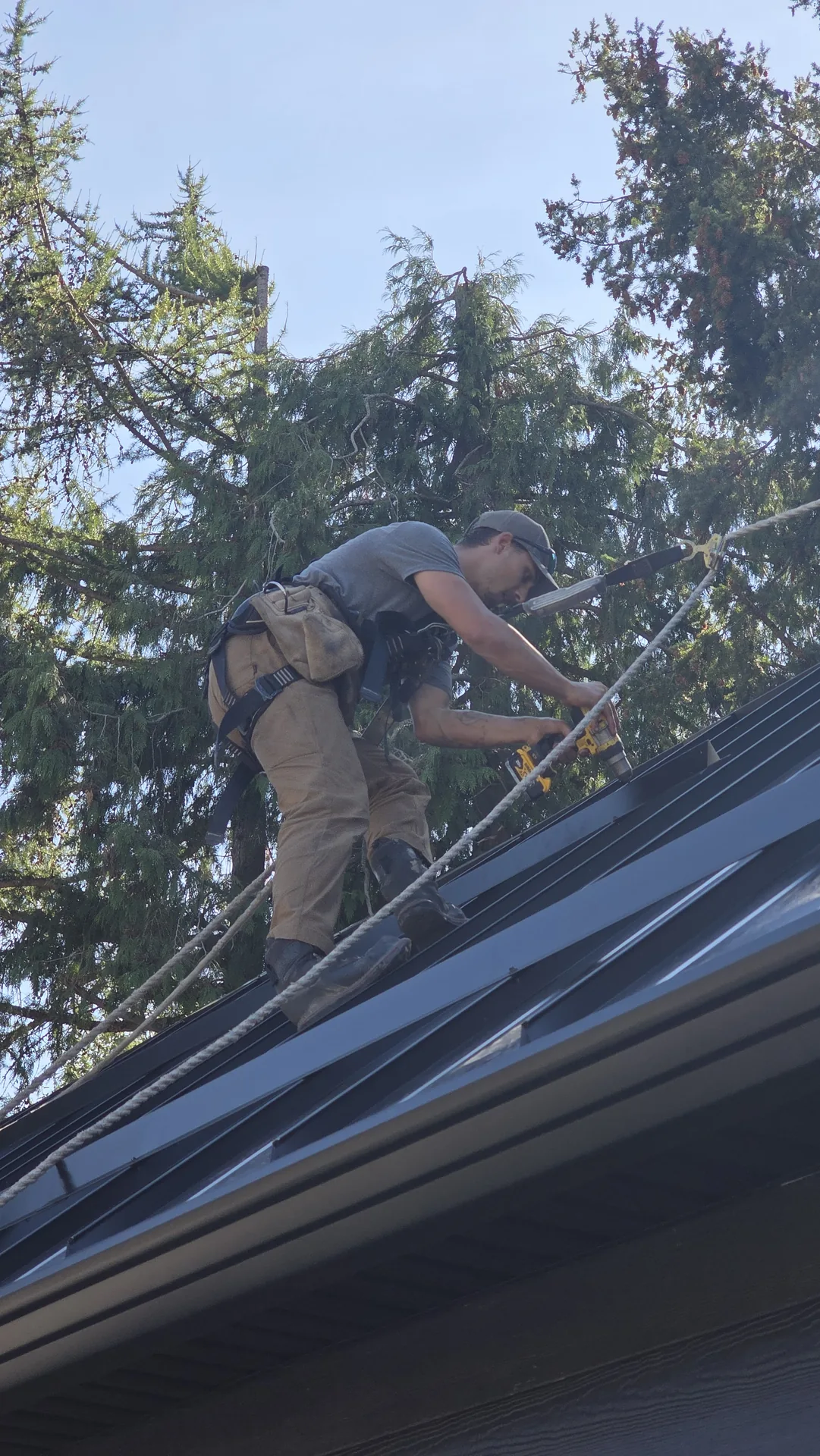
Exposed-fastener metal roofing uses screws that pass through the metal panels to secure them to the supporting structure.
Standing-seam metal roofing generally uses concealed clips or fastening systems that keep most fasteners hidden beneath the panels.
Both systems can perform well when properly installed.
From a noise perspective, though, I wouldn't tell a homeowner to choose one over the other simply because they're worried about rain.
The sound experienced inside the building depends on more than the fastening method.
Panel profile, panel thickness, span, attachment, roof decking, insulation, and ceiling construction can all influence acoustic performance.
For a typical insulated house, I would focus on choosing the roofing system that best meets the homeowner's budget, appearance preferences, durability expectations, and maintenance requirements.
Rain noise wouldn't be my deciding factor.
Will Switching From Shingles to Metal Make My House Louder?
This is an especially important question for homeowners who already have asphalt shingles and are considering a metal roof replacement.
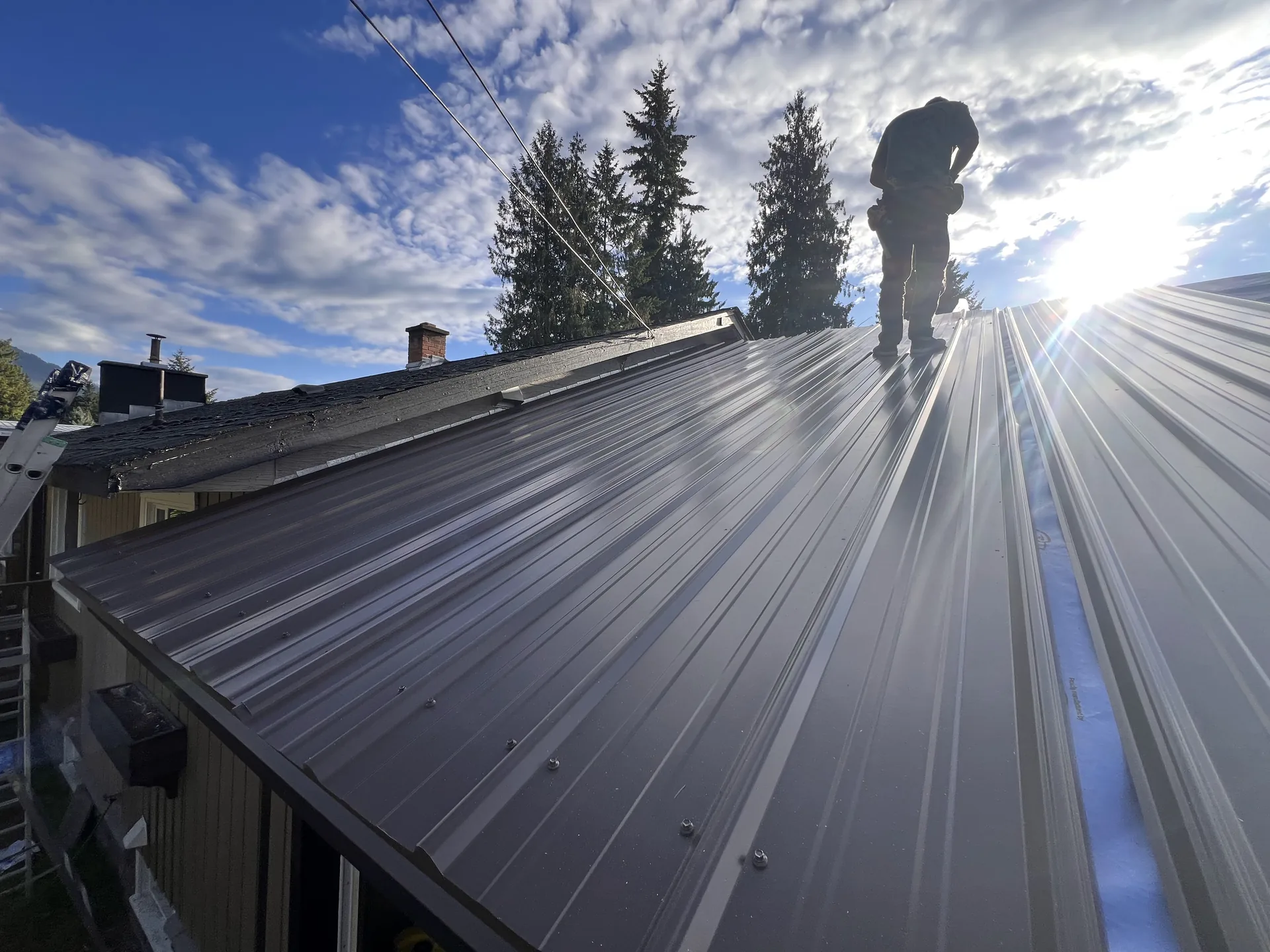
In a properly constructed and insulated home, switching from shingles to metal generally shouldn't create a noticeable rain-noise problem.
When we're replacing a shingle roof with metal roofing on a typical house, I don't recommend adding special soundproofing simply because the new roof will be metal.
The existing roof and ceiling assembly generally already provides the sound reduction needed.
That means homeowners typically don't need to spend extra money on acoustic insulation, specialty sound barriers, or other modifications solely to address rain noise.
Of course, if the home has an unusual roof design, exposed ceilings, inadequate insulation, or existing noise issues, those conditions should be considered before installation.
But on a normal residential reroofing project, rain noise isn't something I would expect to become a problem.
Metal Roof Noise: Houses vs. Shops vs. Barns
Not every building has the same roof construction, so the experience can vary.
| Building type | What to expect during rain |
|---|---|
| Properly insulated house | Usually little noticeable difference from shingles |
| Finished garage with insulated ceiling | Generally quiet |
| Uninsulated shop with exposed metal roof | Rain can be clearly audible |
| Horse barn with metal over open purlins | Rain noise can be noticeable |
| Horse barn with solid roof sheathing | Reduced rain noise compared with an otherwise similar open-purlin assembly |
| Home with an open window | Rain striking the roof may be audible |
These are general expectations rather than measured sound ratings. Actual performance depends on the building and roof assembly.
The takeaway is that the building's construction matters much more than many people realize.
Do You Need to Soundproof a Metal Roof?
For most homeowners, no.
If you have a conventional house with a properly insulated roof or ceiling assembly, I wouldn't recommend spending additional money on soundproofing just because you're installing metal roofing.
For uninsulated shops, barns, and similar buildings, the answer can be different.
If rain noise is a concern, it may be worth considering solid roof sheathing, insulation, or other appropriately designed sound-reducing assemblies.
The best time to consider those options is during the design or reroofing process.
It's generally easier to address noise through the roof assembly during construction than to make significant changes afterward.
And if you're building a new shop or barn, it's worth thinking about how the building will actually be used.
A storage building where nobody spends much time may not need any special noise reduction.
A horse barn, workshop, or building where people spend hours working might benefit from a quieter roof assembly.
The goal is to design the building appropriately rather than spend money on unnecessary upgrades.
What Are the Other Advantages of Metal Roofing?
Rain noise is only one factor when choosing a roof.
There are several reasons homeowners and property owners choose metal roofing.
Long service life
Related guide: How Long Does a Roof Last?
A properly installed metal roof can last 50 years or more, depending on the system, environment, and maintenance.
That's significantly longer than the 15–30 years we typically expect from asphalt shingles.
Durability
Metal roofing can provide excellent protection against rain, snow, and other weather conditions when the system is correctly designed and installed.
Appearance
Metal roofing is available in different profiles, colours, and finishes.
It can complement everything from traditional homes to modern houses, shops, garages, and agricultural buildings.
Maintenance considerations
Metal roofs still require maintenance.
In particular, exposed-fastener systems should have their screws and sealing washers inspected periodically.
At Farrow Built, we generally recommend checking exposed fasteners approximately every 10 years, or sooner if problems are suspected.
Standing-seam systems reduce the number of exposed fastener penetrations, although flashings and other roof components still need inspection.
Long-term value
Although metal roofing may cost more upfront than asphalt shingles, its potential service life can make it an attractive long-term investment.
The best choice depends on the building, installation costs, roofing system, and how long you plan to own the property.
Frequently Asked Questions About Metal Roof Noise
Can you hear rain on a metal roof inside a house?
Usually not much more than you would hear on a shingle roof if the house is properly insulated and constructed. Most of the sound is reduced by the roof assembly, attic insulation, and finished ceiling.
Are metal roofs louder than shingles?
Metal panels can produce more impact sound at the roof surface, but that doesn't necessarily translate into noticeably louder rain inside a house. The construction underneath the roofing makes a major difference.
Are metal roofs too loud for bedrooms?
Not in a typical properly insulated house. We've never had a customer complain that rain noise from a metal roof was disturbing their sleep.
Are metal roofs loud when it hails?
Hail can create sharper impact noise than rain, particularly on exposed metal roofing. However, a properly constructed and insulated home helps reduce how much of that noise reaches the interior.
Does insulation make a metal roof quieter?
Yes. Insulation, along with roof decking and finished ceiling materials, can help reduce the transmission of rain noise into the building.
Can you make a metal roof quieter on a barn?
Yes. One approach we sometimes use on horse barns is adding solid plywood or OSB sheathing beneath the metal roofing. This can help reduce noise compared with panels installed directly over open purlins.
Do you need extra insulation when replacing shingles with metal?
Generally, no. If the existing home has a properly constructed and insulated roof assembly, we wouldn't normally recommend additional soundproofing solely because the new roof will be metal.
Is the sound of rain on a metal roof relaxing?
Some people actually enjoy it. When you have a window open, you may hear the rain striking the metal roof, and many people find that sound pleasant rather than annoying.
Final Thoughts: Don't Let Rain Noise Stop You From Choosing a Metal Roof
If you're considering metal roofing for your home but you're worried about the noise, here's what I would tell you:
Don't worry about it. You probably won't even notice.
In a properly insulated house, rain noise from metal roofing generally isn't an issue.
We've installed metal roofs on all kinds of buildings, and we've never had a customer complain that their roof was too loud when it rained.
The situations where noise becomes more noticeable are usually uninsulated buildings, such as certain shops and barns.
And even then, there are ways to design the roof assembly to help reduce the sound.
Personally, I think the sound of rain on a metal roof can actually be quite nice.
If you sleep with your windows open, you might hear the rain hitting the roof.
For a lot of people, that's a relaxing sound.
But with the windows closed in a properly insulated house, you're unlikely to notice much difference at all.
So if you like the appearance, durability, and potential longevity of metal roofing, I wouldn't let concerns about rain noise stop you from considering it.
Choose the right roofing system, make sure it's installed properly, and enjoy the benefits of a roof that can protect your property for decades.
Considering a Metal Roof for Your Home, Shop, or Barn?
At Farrow Built, we install, repair, and maintain roofing systems for homes, shops, garages, barns, agricultural buildings, and commercial properties throughout British Columbia.
Whether you're replacing an aging asphalt shingle roof, considering standing-seam metal roofing for your home, or designing a new horse barn, we can help you choose a roofing system that fits your building and how you plan to use it.
We're based in Enderby, BC, and serve customers throughout the province.
Contact Farrow Built to discuss your metal roofing project and get professional advice on the right roof assembly for your building.
Your Property. Our Responsibility.