
How Long Does a Roof Last? A BC Roofing Contractor Explains
How long should your roof last? Is a 20-year-old roof nearing the end of its life, or could it have another 20 years left?
The answer depends on what type of roof you have, how well it was installed, how it's maintained, and the conditions it's exposed to.
At Farrow Built, we've inspected and repaired roofs throughout British Columbia, and one thing I've learned is that the age of a roof doesn't always tell you how much life it has left.
We've inspected an exposed-fastener metal roof that was only eight years old and already had loose screws throughout it. We've also seen cedar roofs that were 50 or 60 years old, although they were in desperate need of replacement.
So how long does a roof actually last?
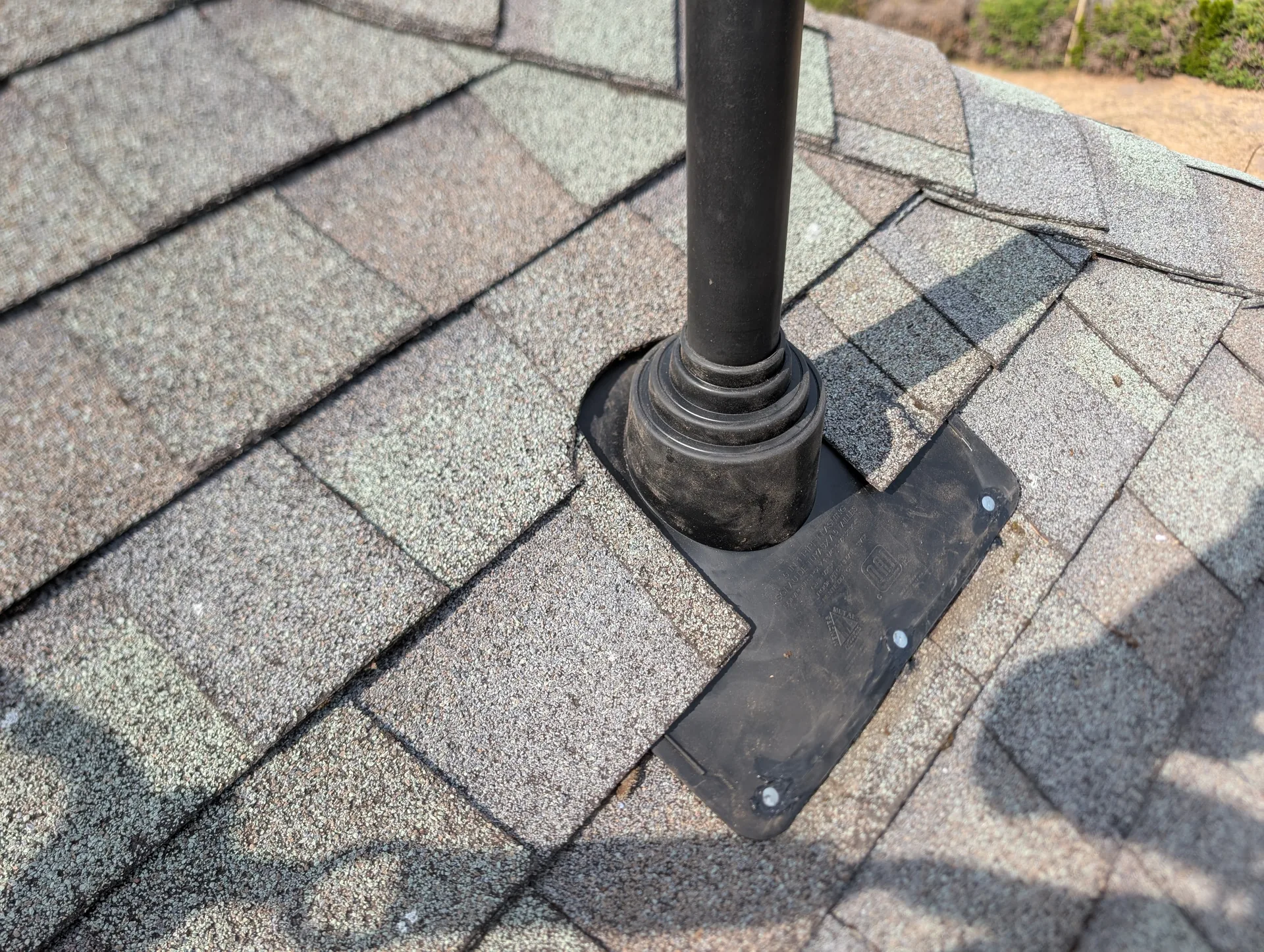
Average Roof Lifespan by Roofing Material
Based on our experience inspecting, repairing, and replacing roofs in British Columbia, here are the lifespans homeowners can generally expect.
| Roofing material | Expected lifespan |
|---|---|
| Asphalt shingles | 15–30 years |
| Exposed-fastener metal roofing | 40–50+ years |
| Standing-seam metal roofing | 50+ years |
| Cedar shakes or shingles | 40–50 years |
| Flat roofing systems | 15–25 years |
These are approximate ranges based on our field experience, not guarantees. Some roofs will fail significantly earlier, while others can last longer.
The biggest mistake homeowners make is assuming that because a roofing material is advertised to last 30 or 50 years, their particular roof will automatically last that long.
It doesn't work that way.
Let's look at each type of roof and what actually determines its lifespan.
How Long Does an Asphalt Shingle Roof Last?
Most asphalt shingle roofs last between 15 and 30 years.
That's a fairly wide range, and there's a reason for it.
Not all asphalt shingles are created equal.
Basic three-tab shingles generally have a shorter expected lifespan than higher-quality architectural shingles. The quality of the materials, installation, attic ventilation, and exposure to weather all make a difference.
Here in British Columbia, roofs can experience everything from heavy rainfall and snow to extreme summer heat.
Those conditions take a toll over time.
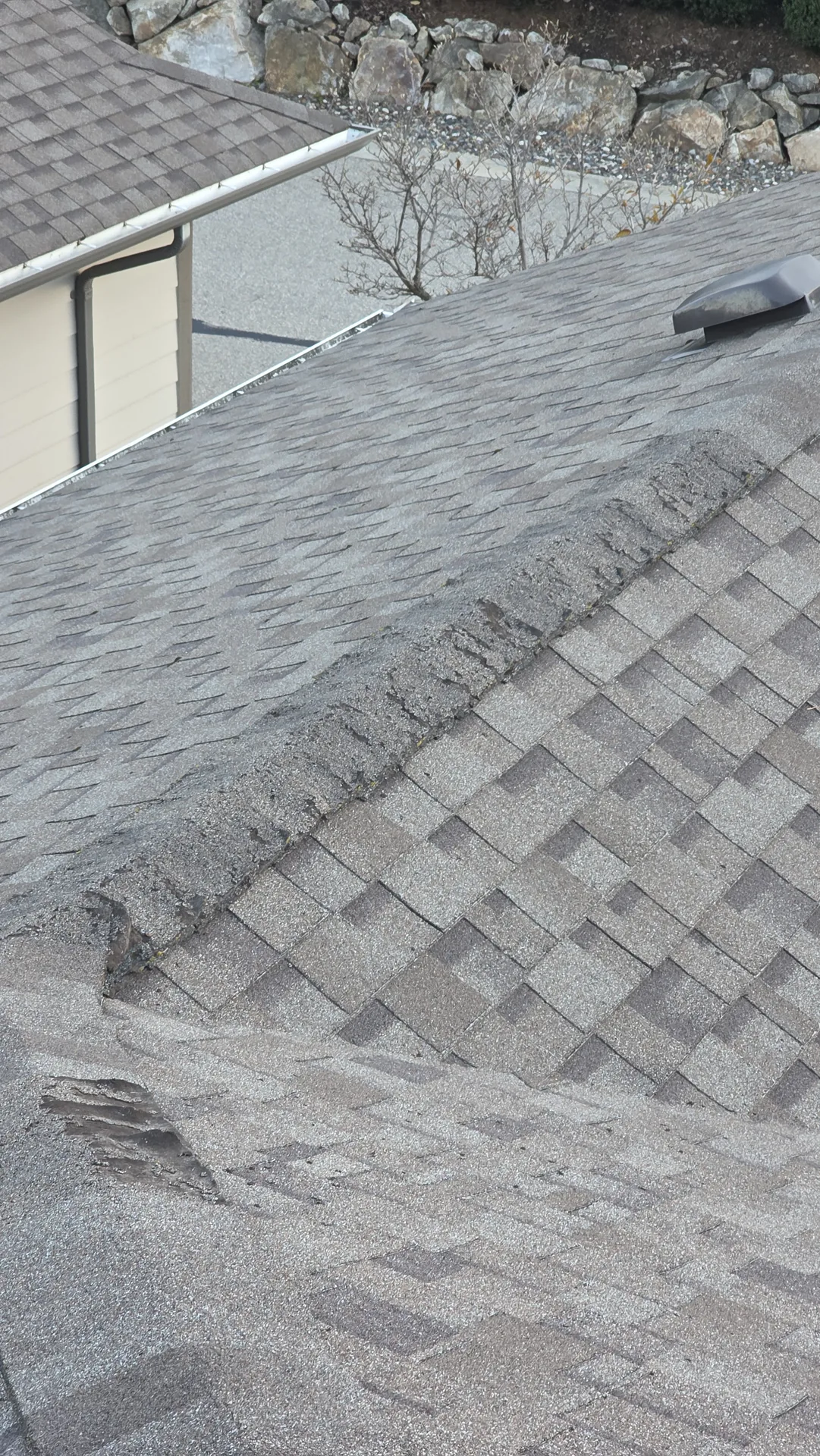
How can you tell when shingles need replacing?
When we inspect an asphalt shingle roof, two of the biggest things we look for are:
- Granule loss: The protective granules on the surface of the shingles are wearing away.
- Exposed fibreglass: The shingle has deteriorated enough that the underlying reinforcement is becoming visible.
Granules protect asphalt shingles from ultraviolet radiation and weathering.
As shingles age, they gradually lose granules. Some granule loss is normal, but widespread or severe loss can indicate that the roof is nearing the end of its useful life.
When the fibreglass mat starts showing through, that's a much more serious sign of deterioration.
At that point, we're generally looking at replacement rather than trying to extend the roof's life with small repairs.
My advice: Don't decide to replace your shingle roof simply because it's 20 years old. Have someone inspect its actual condition.
A properly installed, well-maintained roof may still have useful life remaining. A poorly installed or neglected roof might need replacing much sooner.
How Long Does an Exposed-Fastener Metal Roof Last?
An exposed-fastener metal roof can last 50 years or more, but the fasteners require regular attention.
This is one of the most important distinctions homeowners need to understand about metal roofing.
The metal panels themselves can be extremely durable.
But the panels aren't necessarily what fails first.
It's often the screws.
Exposed-fastener metal roofing uses screws that penetrate through the metal panels and secure them to the underlying structure.
Those screws typically have sealing washers designed to keep water from entering around the fastener.
Over time, fasteners can loosen, washers can deteriorate, and movement in the roofing system can affect the seals.
That's why we recommend having the fasteners inspected approximately every 10 years, or sooner if there are signs of problems.
Real example: An 8-year-old metal roof with loose screws everywhere
We recently inspected an exposed-fastener metal roof that was only eight years old.
You would expect a metal roof that young to have decades of life remaining.
But when we examined it, almost all the screws were loose.
The roof had been fastened into OSB (oriented strand board), and the fastening system wasn't maintaining adequate holding strength.
The metal panels weren't necessarily at the end of their useful life.
The problem was how they had been secured.
This is why I put so much emphasis on proper installation.
A metal roof might be capable of lasting 50 years, but if the fasteners start failing after eight years, you have a roofing system that needs attention long before the panels wear out.
To be clear, fastening metal roofing into engineered wood decking isn't automatically incorrect. Some roofing systems are specifically designed and approved for installation over plywood or OSB.
What matters is whether the fasteners, decking, installation method, and manufacturer's requirements are compatible.
In this particular case, the fastening system wasn't performing as it should.
Can you replace the screws instead of the entire metal roof?
Often, yes.
If the metal panels are still in good condition and there's no significant rust or deterioration, replacing the fasteners may be a much more economical solution than replacing the entire roof.
However, the underlying material must still provide adequate holding strength for the replacement fasteners.
Simply installing new screws into deteriorated or unsuitable decking may not solve the problem.
That's why an assessment is important before deciding how to proceed.
How Long Does a Standing-Seam Metal Roof Last?
A properly installed standing-seam metal roof can easily last 50 years or more.
One of the major advantages of standing-seam metal roofing is that it typically uses concealed clips and fasteners rather than exposed screws through the weather-facing surface of the panels.
This reduces the number of exposed fastener penetrations that require maintenance.
Standing-seam systems also allow for thermal movement when properly designed and installed.
That doesn't mean they're maintenance-free.
Flashings, penetrations, sealants, and other roof components still need to be inspected.
And just like any other roofing system, installation quality is critical.
A poorly installed standing-seam roof can develop problems long before the metal itself reaches the end of its expected lifespan.
But when properly installed and maintained, it's one of the longest-lasting roofing options available.
How Long Does a Cedar Shake Roof Last?
Cedar shake and shingle roofs can last approximately 40–50 years under favourable conditions, although many will need replacement sooner.
We've seen cedar roofs that were 50 or even 60 years old.
But just because they were still on the building didn't mean they were still in good condition.
Some of those roofs were in desperate need of replacement.
Cedar is a natural material, and its performance depends heavily on moisture exposure, ventilation, roof design, and maintenance.
Over time, cedar can split, curl, deteriorate, and lose its ability to shed water effectively.
Are cedar roofs a fire hazard?
Fire resistance is another important consideration.
Untreated cedar roofing is combustible, which can be a concern in wildfire-prone areas of British Columbia.
Some treated cedar products and approved roof assemblies have improved fire-resistance ratings, so not all cedar roofs present the same level of risk.
Still, when someone is considering replacing an aging cedar roof, I think it's worth looking seriously at modern metal or asphalt roofing alternatives.
You may be able to reduce maintenance requirements while choosing a roofing system better suited to your property's conditions and fire-risk considerations.
How Long Does a Flat Roof Last?
Most flat or low-slope roofing systems last approximately 15–25 years, depending on the materials and installation quality.
With flat roofing, installation quality is absolutely massive.
Unlike a steep roof, where gravity helps water move off the surface quickly, a low-slope roof depends heavily on proper drainage, membrane detailing, and watertight seams.
Poorly installed seams, inadequate drainage, or improperly detailed penetrations can create problems long before the roofing membrane reaches its expected lifespan.
Different flat roofing systems also perform differently.
Torch-on modified bitumen, EPDM, TPO, and other membrane systems have different characteristics, installation requirements, and maintenance needs.
If you're considering a flat roof, I would put just as much emphasis on the installer's experience and workmanship as on the roofing material itself.
A premium roofing product won't compensate for poor installation.
What Causes a Roof to Wear Out Early?
In our experience, several factors can significantly shorten a roof's lifespan.
1. Harsh weather conditions
British Columbia has a wide range of climates.
In the Okanagan and Shuswap, we experience hot summers, freezing winter temperatures, snow, and seasonal storms.
Other parts of BC deal with prolonged rainfall, heavy snow loads, coastal moisture, or severe wind exposure.
These conditions place different stresses on roofing materials.
High temperatures and UV exposure can accelerate the aging of asphalt shingles.
Snow and ice can expose drainage and flashing problems.
Strong winds can damage shingles, flashings, and other roof components.
The climate your roof is exposed to matters.
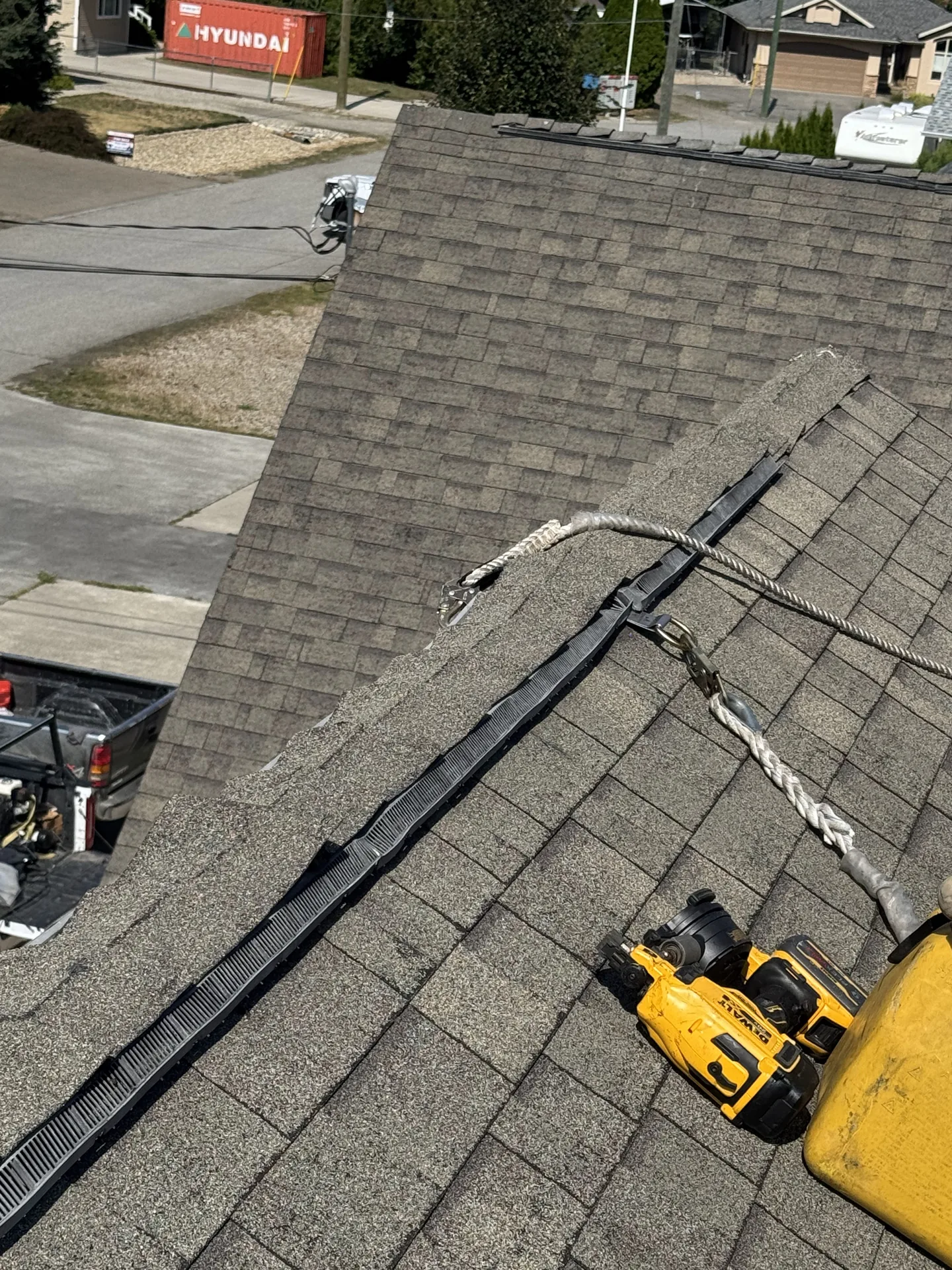
2. Poor attic ventilation
This is a major issue that homeowners often overlook.
Your attic needs an appropriately designed ventilation system.
Without adequate ventilation, heat can build up inside the attic during the summer.
Excessive attic temperatures can contribute to the deterioration of roofing materials and affect the overall performance of the roof assembly.
Poor ventilation can also contribute to moisture problems when warm, humid air enters the attic and condenses on cold surfaces.
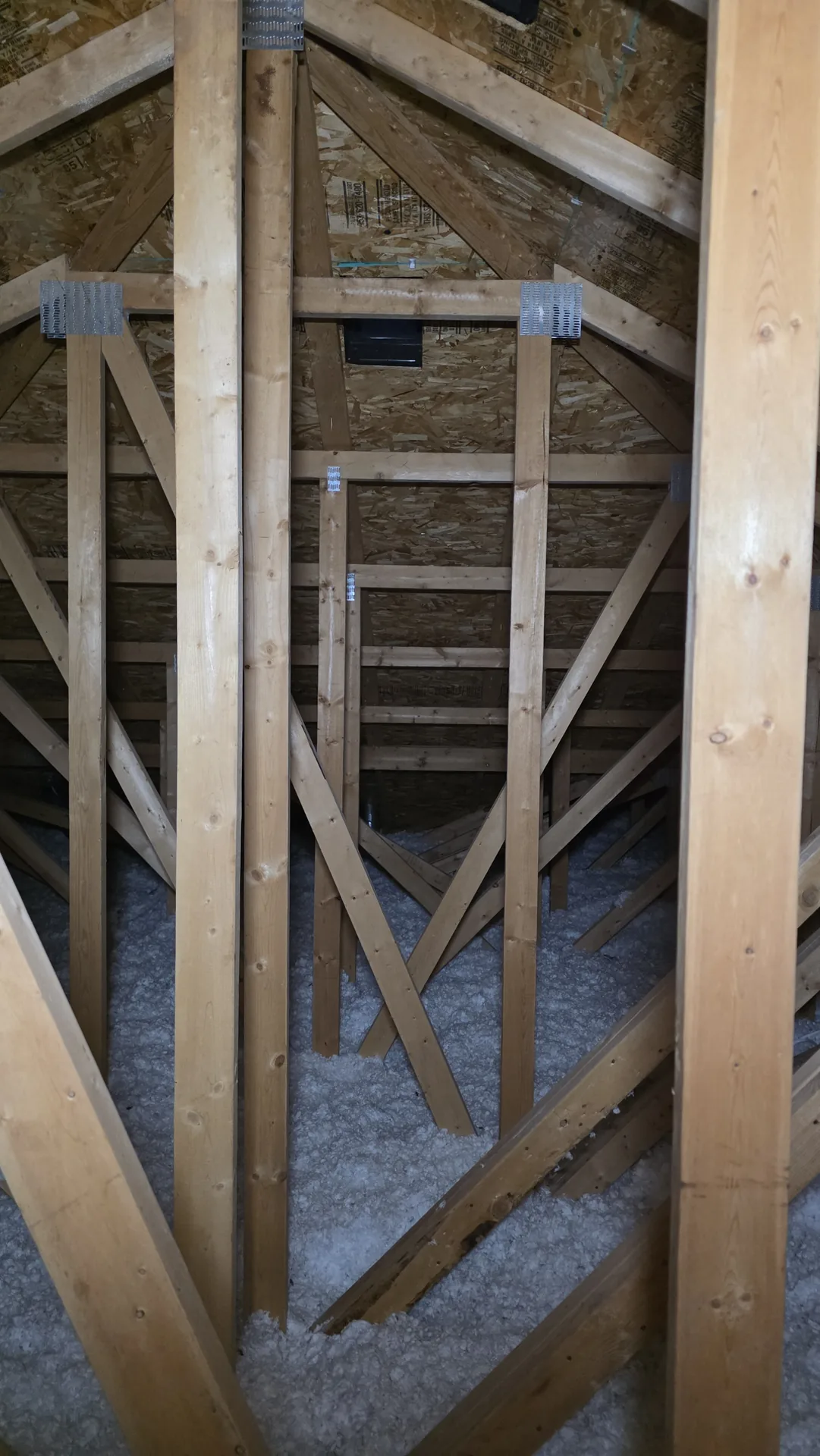
Real example: A 7-year-old house with inadequate roof ventilation
We recently inspected a house that was only seven years old.
The problem wasn't that the shingles were worn out.
The problem was that the roof hadn't been properly ventilated.
It was a hip roof, and the necessary upper ventilation had been omitted.
As a result, the attic didn't have the ventilation it needed.
We're adding a solar-powered ventilation fan to help address the problem.
That's a perfect example of how the longevity of a roof depends on more than the roofing material.
You can install a high-quality shingle, but if the roof assembly underneath it isn't designed and installed properly, you may not get the lifespan you expected.
It's also important that any ventilation changes are designed to work with the attic's existing intake ventilation and air-sealing strategy. Adding an exhaust fan without considering the whole system can create other problems.
3. Moss growth
Moss is another common issue, particularly in shaded or moisture-prone areas.
Moss can hold moisture against the roof surface and interfere with proper drainage.
If it's allowed to build up, it can contribute to deterioration and create conditions that increase the risk of leaks.
But there's another problem I see.
Sometimes homeowners do more damage removing the moss than the moss itself has caused.
Aggressive cleaning methods can strip granules off asphalt shingles and damage the roofing material.
High-pressure washing is particularly risky.
The goal should be to treat and remove moss using methods appropriate for the specific roofing product, without damaging the roof in the process.
4. Poor installation
This is one of the biggest preventable causes of premature roof failure.
You can buy an excellent roofing product and still end up with a poor roof if it's installed incorrectly.
We've seen how improper fastening can compromise a metal roof in less than a decade.
We've also seen how missing ventilation on a relatively new home can create problems.
Other installation deficiencies can include improperly installed flashing, unsuitable underlayment, poor drainage detailing, and inadequate roof penetrations.
The quality of the installation matters just as much as the quality of the materials.
5. Lack of maintenance
A roof doesn't need to be leaking to require maintenance.
Loose fasteners, debris-filled valleys, blocked gutters, deteriorated flashings, and moss growth can all create problems over time.
When these issues are caught early, they're often much easier to address.
When they're ignored, they can develop into expensive repairs.
How Do You Know Whether to Repair or Replace Your Roof?
One of the most common questions homeowners ask us is whether they should repair their existing roof or replace it entirely.
My answer is that it depends on the actual condition of the roof.
For asphalt shingle roofs
We're looking closely at granule loss and whether the fibreglass reinforcement is becoming exposed.
If the shingles are generally in good condition and there's a localized issue, a repair may make sense.
If the shingles are deteriorating throughout the roof, replacing individual areas may only delay the inevitable.
For metal roofs
We're looking at the condition of the panels.
Are they rusting? Is the protective coating deteriorating? Are there areas of significant damage?
Or are the panels still in good condition, with the main issue being loose or deteriorated fasteners?
If the panels are sound and the fastening system can be properly repaired, there's a good chance the roof can continue serving the building without a complete replacement.
That's a significant potential saving for the homeowner.
I don't believe in replacing a roof simply because it's reached a certain age. I believe in assessing its condition and determining what actually needs to be done.
How Can You Make Your Roof Last Longer?
If you want to get the maximum possible lifespan out of your roof, here are the things I recommend.
- Keep your roof clean. Remove debris that can trap moisture or interfere with drainage, but don't use aggressive cleaning methods that damage the roofing material.
- Keep your gutters clear. Blocked gutters can cause water to back up and create moisture problems around the roof edges and building.
- Keep your roof valleys clear. Valleys handle concentrated water flow. Leaves, branches, and other debris can interfere with proper drainage.
- Treat moss before it becomes a major problem. Use roof-compatible treatments and cleaning methods that won't damage shingles or other roofing materials.
- Make sure your attic is properly ventilated. Proper ventilation, combined with appropriate insulation and air sealing, helps manage heat and moisture within the roof assembly.
- Have your roof inspected regularly. I recommend arranging periodic professional assessments and having the roof checked after significant storms or whenever you notice a potential problem.
- Invest in quality materials when replacing your roof. A good-quality shingle or properly installed metal roofing system can provide a longer service life and reduce the likelihood of premature replacement.
The objective isn't just to get your roof through the next winter.
It's to protect your building for as many years as reasonably possible.
Is a More Expensive Roof Worth It?
In many cases, yes.
But I would encourage homeowners to look at the total cost of owning the roof rather than simply comparing installation prices.
For example, suppose you're choosing between an asphalt shingle roof with an expected lifespan of 20–30 years and a metal roof that could last 50 years or more.
The metal roof may have a higher initial installation cost, but it could potentially outlast multiple shingle roofing cycles.
That doesn't automatically make metal the better choice for every property.
Roof complexity, climate, maintenance, installation quality, and your long-term plans for the building all matter.
And remember that an expensive roofing material installed poorly can be a worse investment than a more affordable material installed correctly.
I'd rather see a homeowner invest in a properly installed, good-quality roofing system than spend extra money on a premium product while cutting corners on installation.
Frequently Asked Questions About Roof Lifespan
Can an asphalt shingle roof last 30 years?
Yes. A high-quality asphalt shingle roof can last approximately 30 years under favourable conditions, although many roofs require replacement sooner. Installation quality, ventilation, weather exposure, and maintenance all influence the actual lifespan.
Can a metal roof really last 50 years?
Yes. Metal roofing panels can last 50 years or longer, depending on the product, environment, and installation. However, exposed-fastener metal roofing requires periodic fastener inspection and maintenance.
How often should metal roof screws be replaced?
There isn't one universal replacement schedule. We recommend checking exposed fasteners approximately every 10 years, or sooner if there are signs of looseness or deterioration. Replacement depends on the condition of the fasteners, washers, and underlying structure.
Does moss shorten the life of a roof?
It can. Moss can retain moisture and interfere with drainage. However, aggressive moss removal can also damage shingles, so it's important to use appropriate treatment and cleaning methods.
Does poor attic ventilation shorten roof lifespan?
It can contribute to premature deterioration, particularly when excessive heat or moisture accumulates in the attic. Proper ventilation needs to be considered alongside insulation, air sealing, and the design of the roof assembly.
Should I replace my roof after 20 years?
Not necessarily. A 20-year-old roof may still be in good condition, or it may already be nearing the end of its service life. The best way to decide is through an assessment of the actual roofing materials, flashings, and overall roof condition.
Is it better to repair or replace an old metal roof?
If the panels are still sound and the problem is limited to fasteners or other repairable components, repairs may be the more economical option. If the panels have extensive corrosion or widespread deterioration, replacement may be the better long-term solution.
Final Thoughts: A Roof Should Last Decades, Not Just Until the Warranty Expires
One thing I've learned from inspecting roofs is that there's a big difference between how long a roofing product is supposed to last and how long the complete roofing system actually performs.
We've seen eight-year-old metal roofs with failing fasteners.
We've seen seven-year-old homes with ventilation problems that should have been addressed during construction.
And we've seen cedar roofs that remained on buildings for more than 50 years, even though they were well past the point where they should have been replaced.
The common thread is that roof lifespan isn't determined by age alone.
It's determined by the quality of the materials, how well they're installed, the conditions they're exposed to, and how well they're maintained.
If there's one piece of advice I'd give homeowners, it's this:
Don't wait until your roof starts leaking to find out what condition it's in.
Keep your gutters and valleys clean. Treat moss properly. Make sure your attic is ventilated. And have someone knowledgeable assess the roof before minor deficiencies become major problems.
When the time comes to replace it, choose quality materials and make sure they're installed correctly.
A roof is one of the most important systems protecting your home.
Taking care of it is an investment in everything underneath it.
Want to Know How Much Life Your Roof Has Left?
At Farrow Built, we help homeowners and property owners throughout British Columbia understand the condition of their roofs.
Our Level 1 Roof Assessment includes an exterior roof inspection, attic inspection where accessible, photographs, and a written report identifying deficiencies and potential concerns.
Whether you have a 15-year-old shingle roof, an aging metal roof, or simply want to make sure your building is ready for winter, we can help you understand what needs attention.
We're based in Enderby, BC, and serve customers throughout British Columbia.
Contact Farrow Built to book your Level 1 Roof Assessment and find out what condition your roof is really in.
Your Property. Our Responsibility.